

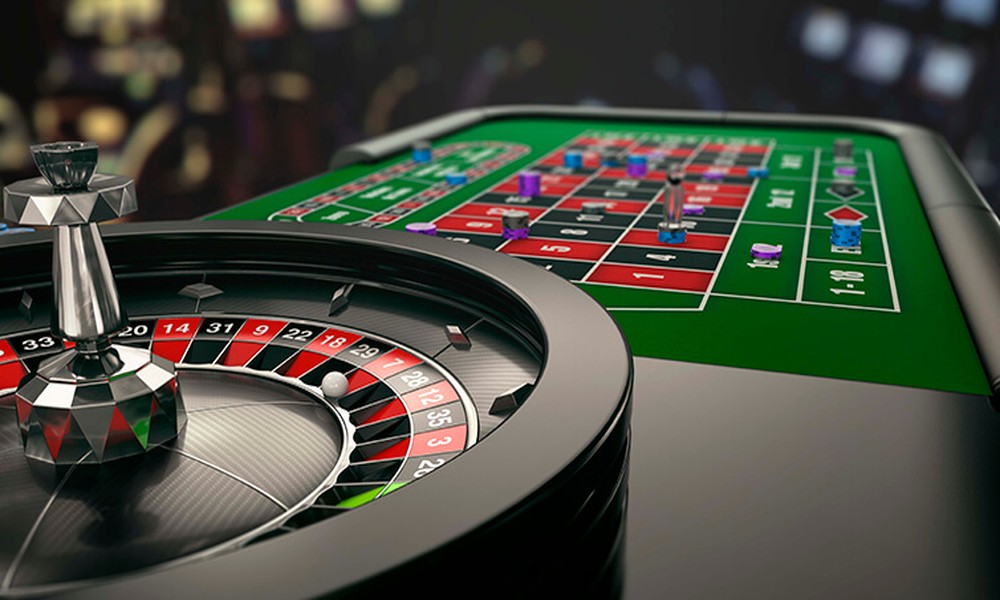
Cryptocurrency gambling has transformed how players approach different game categories. The shift to blockchain-based platforms reveals distinct behavioural shifts that separate dice games from slots, crash games from card tables. Players modify their stake sizes, frequency, and session lengths based on game mechanics rather than following a single strategy. https://crypto.games/ showcases these variations through its diverse game selection, where each category attracts different betting behaviours shaped by speed, control, and outcome visibility.
Stake size variation
Different crypto games trigger distinct bankroll management approaches. Players allocate portions based on perceived win probability and entertainment duration.
- Plinko and dice games receive smaller individual bets spread across numerous rounds.
- Live dealer tables command larger stakes per hand due to a slower pace and social interaction.
- Crash and multiplier games attract mid-range bets with wide swings based on recent outcomes.
- Provably fair slots see consistent betting until bonus triggers or balance thresholds are hit.
The variation isn’t random. Game speed directly correlates with stake adjustment frequency. Faster games encourage micro-management, slower formats promote set amounts. Cryptocurrency’s divisibility enables precision impossible with traditional currency, letting players bet 0.00043 BTC on dice while committing 0.15 BTC to blackjack hands.
Session length differences
- Crypto game types influence how long players remain active. Slots and dice games facilitate marathon sessions through rapid gameplay loops. Players execute hundreds of bets hourly without mental fatigue. The automated nature requires minimal decision-making beyond clicking. Many platforms enable autobet features, extending sessions further by removing manual input.
- Card games and live dealer formats impose natural breaks. Deal timing, other player actions, and decision requirements slow the pace considerably. Sessions rarely exceed two hours before breaks occur. The concentration demanded by poker or blackjack creates mental exhaustion absent in mechanical games. Sports betting operates on event schedules, fragmenting engagement across days or weeks rather than continuous hours.
These patterns shift during winning and losing streaks. Dice players experiencing losses often accelerate bet frequency, trying to recover. Slot players tend to maintain pace regardless of outcome. Card game participants may reduce session duration after losses, returning later with a fresh perspective.
Frequency adjustment triggers
Several factors prompt players to modify betting frequency mid-session. Balance changes create the most obvious trigger. Depleted funds force reduced bet sizes or game switching. Windfall wins sometimes increase frequency as risk tolerance grows, though some players reduce pace to protect gains. Recent outcome sequences matter more in provably fair games where players believe patterns exist despite mathematical independence. External factors like cryptocurrency price movements affect behaviour. Sudden value increases make players more conservative with holdings. Price drops can trigger aggressive betting attempting to rebuild fiat value. Network congestion and transaction fees occasionally pause betting until conditions improve, particularly for deposits and withdrawals between gaming sessions.
Risk tolerance indicators
Game choice itself signals risk preference, but betting patterns within categories reveal deeper insights. Conservative players favour dice games at high win probabilities, accepting smaller multipliers for frequent returns. Aggressive players target low-probability, high-payout scenarios across all game types. The same person might play conservatively at blackjack while chasing maximum multipliers on crash games, compartmentalising risk by category. Betting pattern changes across crypto game types reflect more than preference. They demonstrate how game mechanics, speed, transparency, and outcome structure shape player behaviour in measurable ways. Blockchain records provide unprecedented visibility into these patterns, revealing the complex relationship between game design and gambling psychology without subjective reporting bias.
