

Introduction
The HSSGameStick has revolutionized portable gaming by offering a compact, plug-and-play console that brings thousands of classic games directly to your TV. While the default settings work adequately for casual gaming, mastering the manual settings can transform your gaming experience from ordinary to extraordinary. This comprehensive guide explores every aspect of manual settings HSSGameStick, helping you unlock the device’s full potential through proper configuration and optimization.
Whether you’re experiencing input lag, blurry visuals, or inconsistent performance, this guide will show you how to fine-tune every setting to achieve smoother gameplay, sharper graphics, and professional-level control.
What is the HSSGameStick?
The HSSGameStick is a compact, Android-based gaming console shaped like a USB stick that connects directly to your TV or monitor via HDMI. Unlike traditional bulky consoles, this portable gaming device transforms any screen into a full-fledged gaming hub, making it perfect for gamers who value convenience without sacrificing quality.
Key Features of HSSGameStick
| Feature | Description |
|---|---|
| Plug-and-Play Design | No complicated setup required—simply connect to HDMI and start playing |
| Emulator Support | Pre-installed emulators for NES, SNES, PlayStation, PSP, Sega, and more |
| Wireless Connectivity | Bluetooth-enabled controllers and Wi-Fi support for online content |
| Compact & Portable | Small enough to carry anywhere, perfect for travel |
| Customizable Interface | Open Android platform allows extensive customization |
| Storage Expandability | Supports SD cards and USB drives for expanding game library |
| Multiple Display Modes | Supports 720p, 1080p, and 4K resolution options |
Why Manual Settings Matter
Most users stick to default configurations, assuming they’re optimized for general use. However, these factory presets rarely match your specific TV capabilities, gaming style, or performance needs. Here’s why manual settings HSSGameStick are essential:
- Boost Performance: Balance graphics quality and processing speed for optimal frame rates
- Enhance Visuals: Achieve sharper textures, improved resolution, and proper aspect ratios
- Reduce Input Lag: Customize control and network adjustments for instant response
- Personalize Controls: Create button layouts that feel natural for your playstyle
- Optimize by Genre: Configure settings specifically for shooters, racing games, platformers, or strategy games
- Eliminate Glitches: Fix screen tearing, audio desynchronization, and stuttering issues
In short, manual settings transform your HSSGameStick from a simple console into a finely tuned gaming powerhouse tailored to your exact specifications.
Accessing Manual Settings HSSGameStick
Before diving into specific optimizations, you need to know how to navigate the settings menu.
Step-by-Step Access Guide
- Power on your HSSGameStick and wait for the home screen to load
- Locate the Settings icon (gear icon, usually in the top right corner)
- Navigate using your controller:
- Use D-pad or analog stick to move through options
- Press the action button to select
- Main settings categories:
- Display Settings
- Performance Settings
- Controller & Input Settings
- Audio Settings
- System Settings
- Network Settings
Interface Navigation Tips
The HSSGameStick typically runs on EmuELEC or RetroArch-based interfaces. Familiarize yourself with the menu structure:
- System Settings: Core system configurations
- Device Settings: Hardware-specific options
- Game Settings: Per-game or per-emulator configurations
- Advanced Settings: Developer options and deep customization
Display and Video Settings Optimization
Display settings directly impact visual quality and performance. Configuring these correctly is crucial for a lag-free, visually appealing experience.
Resolution Configuration
| Resolution | Best For | Performance Impact |
|---|---|---|
| 720p | Older TVs, maximum performance | Low – excellent for smooth gameplay |
| 1080p | Modern TVs, balanced quality | Medium – recommended for most users |
| 4K | 4K displays, maximum quality | High – only if performance remains stable |
How to Configure:
- Navigate to Settings > Display Settings
- Select “Output Resolution”
- Choose resolution matching your TV capabilities
- Test gameplay to ensure stable performance
Aspect Ratio Adjustment
- 16:9 (Widescreen): Modern games and displays
- 4:3 (Classic): Retro games for authentic experience
- Auto: Lets the system detect optimal ratio
Refresh Rate Settings
Match your display’s refresh rate for smooth motion:
- 60 Hz: Standard for most displays
- 120 Hz: For high-refresh displays (if supported)
Configuration Path: Settings > Display > Refresh Rate
Advanced Video Settings
| Setting | Recommended Value | Purpose |
|---|---|---|
| Brightness | 50-60% | Adjust based on room lighting |
| Contrast | 45-55% | Balance between detail and clarity |
| V-Sync | ON for most games | Prevents screen tearing (may add slight lag) |
| Screen Calibration | Adjust edges | Eliminate black bars |
| Display Mode | Standard/Dark/High-contrast | Personal preference for comfort |
Tips for Optimal Display Settings
- Start with 1080p and adjust down if you experience lag
- Disable V-Sync for competitive games where minimal input lag is critical
- Enable V-Sync for single-player games to prevent screen tearing
- Use 4:3 aspect ratio for authentic retro gaming experience
- Calibrate screen edges to utilize full display area
Performance Settings for Smooth Gameplay
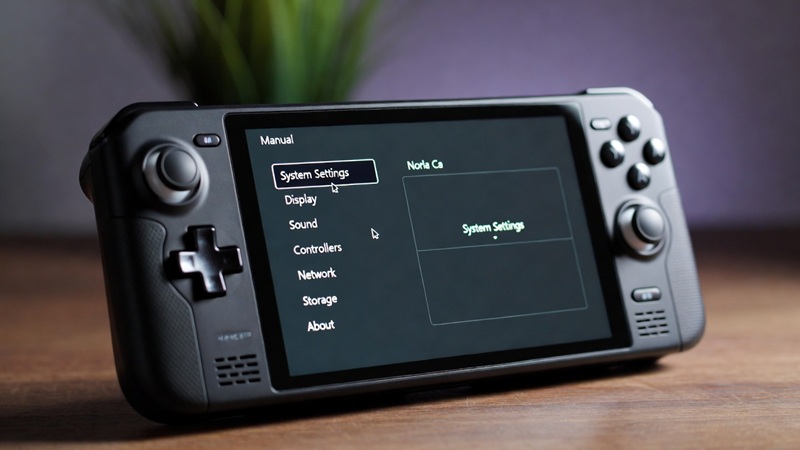
Performance settings control how your HSSGameStick processes games, directly affecting frame rates and responsiveness.
Frame Rate Optimization
Frame Rate Limit Settings:
- 60 FPS: Recommended for smooth, stable gameplay
- 30 FPS: Use only for very demanding games on older hardware
- Unlimited: Can cause screen tearing but reduces input lag
Configuration Steps:
- Go to Settings > Performance
- Select “Frame Rate Limit”
- Set to 60 FPS for optimal balance
- Save and restart
Texture Quality Settings
Balance between visual fidelity and performance:
| Quality Level | Visual Impact | Performance |
|---|---|---|
| Low | Basic textures | Maximum speed, minimal lag |
| Medium | Balanced quality | Recommended for most games |
| High | Enhanced details | May cause slowdowns on intensive games |
| Ultra | Maximum quality | Only for less demanding games |
Emulator-Specific Performance Tweaks
Different emulators benefit from specific optimizations:
For NES/SNES Games:
- Use default settings
- Enable bilinear filtering for smoother graphics
- No performance concerns typically
For PlayStation 1 (PS1):
- Enable moderate upscaling (2x recommended)
- Texture filtering improves visuals
- Frame skipping can help if laggy
For PSP Games:
- Requires more optimization
- Lower texture quality if needed
- Adjust rendering resolution (2x or 3x internal resolution)
- Enable “Fast Memory” option
Developer Options for Advanced Users
Access Developer Options for deeper control:
- Navigate to Settings > System > About
- Tap “Build Number” 7 times
- Return to Settings > Developer Options
- Key settings to adjust:
- Window Animation Scale: Set to 0.5x or off
- Transition Animation Scale: Set to 0.5x or off
- Force GPU Rendering: Enable for better graphics processing
- Disable HW Overlays: Can improve performance
Warning: Only adjust developer options if you understand their impact. Always test one change at a time.
Controller and Input Settings
Controller configuration is critical for precision, comfort, and competitive advantage. Manual settings HSSGameStick offer extensive customization options.
Connecting Controllers
Supported Controller Types:
- Wireless Bluetooth controllers
- USB wired controllers
- Third-party compatible controllers
- Arcade sticks (via USB)
Connection Process:
- Go to Settings > Controllers & Input
- Select “Add New Controller”
- Put controller in pairing mode
- Select controller from list
- Complete pairing process
Button Remapping
Create a control scheme that feels natural:
How to Remap Buttons:
- Navigate to Settings > Controllers & Input
- Select “Button Mapping” or “Configure Input”
- Choose your controller from the list
- Select each button to reassign
- Press the desired button for that action
- Save configuration
Common Remapping Examples:
- Move jump from bottom button to right button (PlayStation-style)
- Assign sprint to shoulder button for easier access
- Place reload on a face button instead of trigger
- Create custom layouts for fighting games
Analog Stick Sensitivity
Fine-tune stick responsiveness:
| Sensitivity Level | Best For | Characteristics |
|---|---|---|
| Low (1-3) | Strategy games, precision aiming | Slower, more accurate movement |
| Medium (4-6) | Most games | Balanced control |
| High (7-10) | Racing games, fast-paced action | Quick responses, faster turning |
Configuration Path: Settings > Controllers > Analog Stick Sensitivity
Deadzone Adjustment
Deadzones prevent stick drift but can affect responsiveness:
- Small deadzone (5-10%): Maximum responsiveness, risk of drift
- Medium deadzone (15-20%): Recommended for most controllers
- Large deadzone (25%+): For worn controllers with drift issues
Vibration Settings
Control haptic feedback:
- Enable/Disable: Turn vibration on or off entirely
- Intensity: Adjust vibration strength (10-100%)
- Disable for competitive play to reduce distractions and potential lag
Input Lag Reduction
Minimize delay between button press and on-screen action:
- Disable V-Sync (increases screen tearing but reduces lag)
- Use wired connections when possible instead of Bluetooth
- Enable Game Mode on TV (external to HSSGameStick)
- Reduce controller polling rate if experiencing conflicts
- Close background applications to free up processing power
Creating Per-Game Controller Profiles
Some games benefit from unique controller setups:
- Launch the specific game
- Access in-game settings or pause menu
- Navigate to controller configuration
- Adjust settings specific to this game
- Save as game-specific profile
This allows automatic profile switching when launching different games.
Audio Settings Optimization
Proper audio configuration enhances immersion and can even provide competitive advantages in certain games.
Volume Control
Main Volume Categories:
- Master Volume: Overall system volume (50-80% recommended)
- Music Volume: Background music (adjust to preference)
- Sound Effects Volume: In-game sound effects (keep higher for audio cues)
- Voice Volume: Character dialogue and voiceovers
Audio Output Configuration
| Output Type | Best For | Setup |
|---|---|---|
| TV Speakers | Casual gaming, simple setup | Default option |
| External Speakers | Better sound quality | Select in audio output menu |
| Soundbar | Enhanced immersion | Connect via HDMI ARC or optical |
| Headphones | Late-night gaming, competitive play | Bluetooth or 3.5mm connection |
How to Change Audio Output:
- Go to Settings > Audio Settings
- Select “Audio Output”
- Choose your preferred output device
- Test with game audio
Advanced Audio Settings
Available Options:
- Audio Sync: Fix audio delay (adjust in 50ms increments)
- Surround Sound: Enable for 5.1/7.1 speaker setups
- Audio Enhancement: Boost specific frequencies
- Mono/Stereo: Choose audio channels
- Audio Latency: Reduce delay for rhythm games
Fixing Audio Desynchronization
If audio doesn’t match visuals:
- Access Settings > Audio > Audio Sync
- Adjust delay in small increments (+/- 50-100ms)
- Test with a game featuring clear audio cues
- Fine-tune until perfectly synchronized
Network and Connectivity Settings
While primarily an offline device, HSSGameStick offers limited network functionality for updates and file transfers.
Wi-Fi Configuration
Setup Process:
- Navigate to Settings > Network
- Enable Wi-Fi
- Scan for available networks
- Select your network
- Enter password
- Confirm connection
Network Optimization Tips:
- Use 5GHz Wi-Fi when available for better speed
- Position device close to router to minimize interference
- Limit concurrent network usage during gaming
- Use wired connection via USB-Ethernet adapter for most stable performance
Firmware Updates
Keep your system current for best performance:
Update Process:
- Ensure Wi-Fi is connected
- Go to Settings > System > About
- Select “System Update” or “Check for Updates”
- Download and install if available
- Restart device after installation
Update Best Practices:
- Backup your data before major updates
- Use official sources only
- Don’t interrupt update process
- Verify update success in system information
File Transfer via Network
Some HSSGameStick versions support network file transfer:
- Enable network sharing in settings
- Note the device’s IP address
- Connect from PC using file browser
- Navigate to shared folders
- Transfer ROM files or save data
Storage Management
Proper storage organization improves loading times and system stability.
Storage Types
| Storage Type | Capacity | Speed | Best For |
|---|---|---|---|
| Internal Storage | 8-32GB | Fast | System files, frequently played games |
| MicroSD Card | 32-512GB | Medium | Game library expansion |
| USB Drive | Variable | Medium-Fast | Temporary storage, backups |
Organizing Game Files
Recommended Folder Structure:
/Games
  /NES
  /SNES
  /PlayStation
  /PSP
  /Sega
  /Arcade
/Saves
/BIOS
/Themes
Adding and Removing Games
To Add Games:
- Download compatible ROM files from legitimate sources
- Connect SD card or USB drive to PC
- Copy ROMs to appropriate emulator folders
- Safely eject storage device
- Insert into HSSGameStick
- Refresh game library in system menu
To Remove Games:
- Access file manager in system settings
- Navigate to game location
- Select games to delete
- Confirm deletion
- Refresh library
Storage Optimization Tips
- Delete unused games to free space
- Use compression for ROM files when possible
- Regular cleanup of cached data
- Backup saves to external storage periodically
- Remove duplicates using ROM management tools
- Organize by console for easier navigation
Troubleshooting Common Issues
Even with optimal settings, issues may arise. Here’s how to diagnose and fix common problems.
Performance Issues
Problem: Games lag or stutter
Solutions:
- Lower resolution from 4K to 1080p or 720p
- Reduce texture quality settings
- Disable V-Sync
- Close background applications
- Clear system cache
- Change emulator core (if applicable)
Input Lag Problems
Problem: Delayed controller response
Solutions:
- Use wired controller instead of Bluetooth
- Disable V-Sync
- Reduce controller deadzone
- Enable Game Mode on TV
- Update controller firmware
- Check for wireless interference
Display Issues
Problem: Screen tearing, black bars, or incorrect aspect ratio
Solutions:
- Enable V-Sync for screen tearing
- Adjust screen calibration for black bars
- Change aspect ratio to match content
- Verify HDMI cable quality
- Test different HDMI ports on TV
- Adjust overscan settings
Audio Problems
Problem: No sound or audio desync
Solutions:
- Check audio output selection
- Verify volume levels (not muted)
- Adjust audio sync settings
- Test different audio output devices
- Update system firmware
- Restart device
Game Crashes
Problem: Specific games crash or won’t load
Solutions:
- Verify ROM file integrity
- Check for required BIOS files
- Switch to different emulator core
- Reduce graphics enhancements
- Update to latest firmware
- Remove and re-add game file
Controller Not Connecting
Problem: Controller won’t pair or disconnects
Solutions:
- Reset controller (hold sync button 10 seconds)
- Remove and re-pair controller
- Check controller battery level
- Update controller firmware
- Try different controller
- Check for Bluetooth interference
Resetting to Default Settings
If all else fails, reset to factory defaults:
- Navigate to Settings > System Settings
- Select “Reset to Default” or “Factory Reset”
- Confirm action
- Wait for reset to complete
- Reconfigure essential settings
Warning: This erases custom configurations but typically preserves game files.
Advanced Customization Tips
For users wanting to push HSSGameStick to its limits.
BIOS File Management
Some emulators require BIOS files for proper operation:
Required BIOS Files:
- PlayStation: scph1001.bin, scph5501.bin, scph7001.bin
- PSP: Various files in PSP/GAME folder
- Sega CD: bios_CD_U.bin, bios_CD_E.bin, bios_CD_J.bin
Installation:
- Obtain legal BIOS files
- Copy to /BIOS folder on storage
- Verify in emulator settings
- Restart emulator
Shader and Filter Application
Enhance retro graphics with shaders:
Popular Shader Types:
- CRT Shader: Simulates old CRT monitor look
- Scanline Filter: Adds horizontal lines for authenticity
- Bilinear Filtering: Smooths pixelated graphics
- LCD Shader: Mimics handheld LCD screens
How to Apply:
- Access emulator settings
- Navigate to Video > Shaders
- Select shader preset
- Adjust intensity
- Save configuration
Creating Custom Themes
Personalize your interface:
- Download theme files (compatible format)
- Copy to /Themes folder
- Access Settings > Interface
- Select “Theme” option
- Choose installed theme
- Apply and restart
Multiplayer Configuration
Set up local multiplayer:
Steps:
- Connect additional controllers
- Go to Settings > Controller Assignments
- Assign each controller to Player 2, 3, 4
- Test in multiplayer-compatible game
- Adjust individual controller settings if needed
Supported Players: Up to 4 players depending on emulator
Overclocking (Advanced Users Only)
Warning: Overclocking can cause instability or damage. Proceed with caution.
Some systems allow CPU/GPU overclocking:
- Access Developer Options
- Find performance or CPU settings
- Increase clock speed in small increments (5-10%)
- Test thoroughly for stability
- Monitor temperature
- Revert if system becomes unstable
Best Practices for Manual Settings HSSGameStick
Follow these guidelines for optimal results:
General Recommendations
- Change one setting at a time: Makes troubleshooting easier
- Test after each change: Verify improvement before proceeding
- Document your settings: Keep notes on what works
- Backup configurations: Save working setups
- Update regularly: Check for firmware updates monthly
- Start conservative: Begin with recommended settings, adjust as needed
Performance vs. Quality Balance
Find your ideal balance:
| Priority | Recommended Settings |
|---|---|
| Maximum Performance | 720p, Low textures, V-Sync off, minimal effects |
| Balanced | 1080p, Medium textures, V-Sync on, 60 FPS cap |
| Maximum Quality | 1080p/4K, High textures, V-Sync on, shaders enabled |
Genre-Specific Optimizations
For Fighting Games:
- Disable V-Sync (minimize input lag)
- High controller sensitivity
- Wired controller recommended
- 60 FPS locked
For Racing Games:
- Medium-high graphics quality
- V-Sync enabled (prevent tearing)
- High analog stick sensitivity
- Maximum frame rate
For Platformers:
- Balanced settings
- Precise controller configuration
- Medium sensitivity
- Stable 60 FPS
For RPGs:
- Higher graphics quality acceptable
- Lower performance priority
- Comfortable controller layout
- Enhanced audio settings
Maintenance Schedule
Weekly:
- Clear cache data
- Check for corrupted game files
Monthly:
- Update firmware
- Backup save files
- Clean storage (remove unused games)
Quarterly:
- Review and optimize settings
- Update controller firmware
- Reorganize game library
Conclusion
Mastering manual settings HSSGameStick transforms your gaming experience from basic to exceptional. By carefully adjusting display settings, optimizing performance, customizing controls, and maintaining proper system configuration, you unlock the full potential of this compact gaming powerhouse.
Remember these key takeaways:
- Start with display and performance settings for the most noticeable improvements
- Customize controls to match your personal playstyle
- Balance quality and performance based on your priorities
- Test thoroughly after each change
- Keep firmware updated for best compatibility and features
- Regular maintenance ensures long-term optimal performance
Whether you’re a casual gamer enjoying retro classics or a competitive player seeking every advantage, the time invested in understanding and configuring manual settings HSSGameStick pays dividends in every gaming session. Your perfectly tuned setup awaits—start optimizing today and experience gaming the way it was meant to be played.
Frequently Asked Questions
Q: Will manual settings void my warranty? A: No, adjusting software settings through the standard menu system does not void warranty. Only physical modifications or unauthorized firmware installations may affect warranty.
Q: How often should I update my HSSGameStick firmware? A: Check for updates monthly. Install updates when they address performance issues, add features, or improve compatibility.
Q: Can I save multiple controller configurations? A: Yes, most versions allow saving multiple profiles. Some systems also support per-game controller configurations that load automatically.
Q: What’s the best resolution for my 4K TV? A: Start with 1080p. Only use 4K if performance remains consistently smooth during gameplay. Most retro games don’t benefit significantly from 4K.
Q: Why does my controller feel laggy? A: Common causes include Bluetooth interference, V-Sync enabled, high controller deadzone, or TV display lag. Try wired connection and disable V-Sync first.
Q: Can I reset specific settings without factory reset? A: Yes, most settings can be individually reverted to default values within their respective menus.
Q: How much storage do I need? A: 64-128GB microSD card handles most collections. PSP games require more space (1-1.5GB each), while NES/SNES games are small (under 5MB each).
Q: Is overclocking safe? A: Overclocking carries risks including instability, reduced lifespan, and potential damage. Only attempt if you understand the risks and monitor system temperature.
