


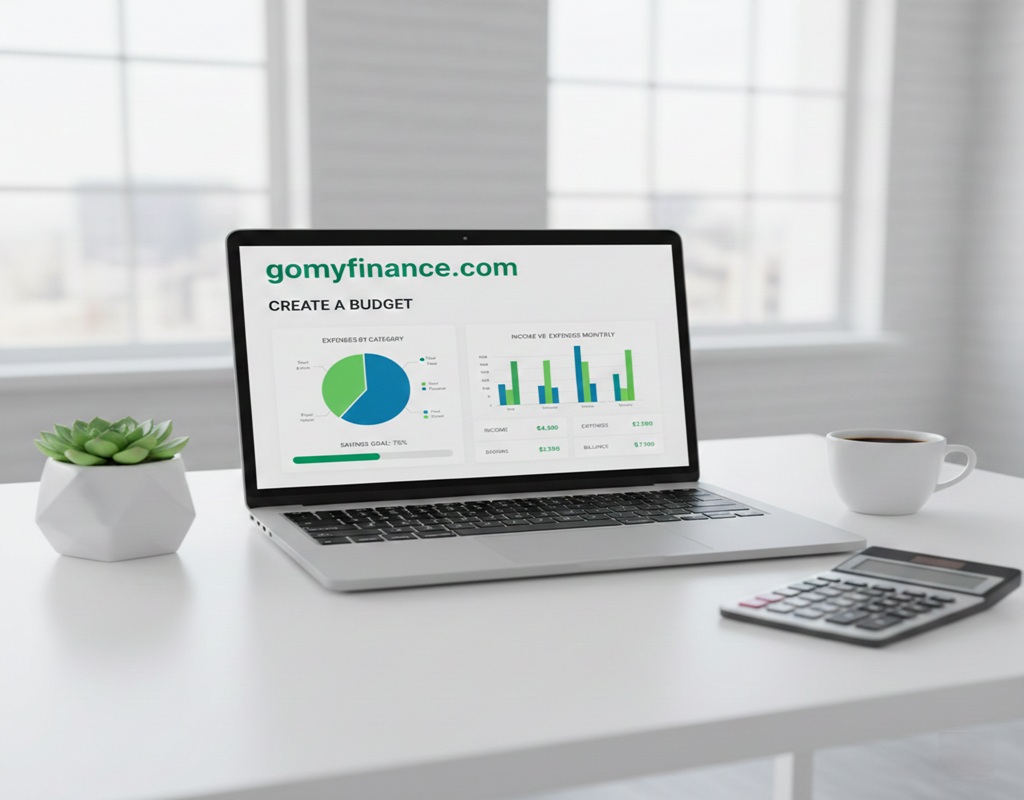
Creating a budget shouldn’t feel like solving a complex puzzle. Yet for millions of Americans struggling to track their spending and achieve financial goals, the challenge remains real. According to recent surveys, 74% of Americans now use budgets to monitor their expenses, but a significant gap exists between having a budget and consistently following one.
GoMyFinance.com emerges as a practical solution to this widespread challenge, offering an intuitive platform that transforms budget creation from a dreaded chore into a manageable, even empowering process. This comprehensive guide walks you through everything you need to know about creating and maintaining a budget using GoMyFinance.com’s powerful tools.
Understanding Why Budgeting Matters
Before diving into the technical aspects of GoMyFinance.com, it’s essential to understand why budgeting deserves your attention. A budget serves as your financial roadmap, providing clarity about where your money comes from and where it goes.
Financial experts consistently recommend maintaining an emergency fund covering three to six months of expenses. Without a budget, this goal remains abstract. With one, it becomes achievable through deliberate, tracked progress.
Consider this sobering statistic: many American adults would struggle to cover a $400 unexpected expense using cash or its equivalent. This isn’t about poor decision-making—it’s about thin financial buffers. A well-structured budget helps build that crucial cushion.
The Real Cost of Not Budgeting
| Financial Impact | Without Budget | With Budget |
|---|---|---|
| Emergency preparedness | 42% struggle with $400 expense | 3-6 months expenses saved |
| Late payment fees | Average $50-100/month | Nearly eliminated |
| Debt accumulation | Uncontrolled growth | Strategic reduction |
| Savings rate | Inconsistent or zero | Consistent 10-20% |
| Financial stress | High anxiety levels | Reduced stress, increased control |
What Makes GoMyFinance.com Different
GoMyFinance.Com Credit Score distinguishes itself from countless budgeting tools through its emphasis on practical implementation over theoretical perfection. The platform recognizes that budgets fail not because people lack discipline, but because the budgets themselves are unrealistic or too complex to maintain.
Core Features That Drive Success
Real-Time Synchronization: The platform connects directly to your bank accounts, credit cards, and utility providers using bank-level encryption technology. This automatic synchronization eliminates the manual data entry that causes many budgeting efforts to collapse.
Intelligent Categorization: Transactions are automatically sorted into relevant categories, learning from your spending patterns over time. This AI-powered feature significantly reduces the time investment required to maintain your budget.
Visual Analytics: Rather than presenting raw numbers, GoMyFinance.com translates your financial data into intuitive graphs and charts. This visual approach helps you quickly identify spending patterns and problem areas.
Multi-Device Accessibility: Whether you’re at your desk or checking expenses on your phone, the platform maintains full functionality across smartphones, tablets, and computers.
Collaborative Features: Family members can be invited to participate in shared budgeting efforts, promoting accountability and teamwork in household financial management.
Getting Started: Creating Your GoMyFinance.com Account
The initial setup process determines how effectively the platform serves your needs. Following these steps ensures a solid foundation.
Step 1: Account Registration
Visit GoMyFinance.com and locate the sign-up option. The registration process requires basic information about your financial situation, including income sources, typical expenses, and preliminary financial goals. This initial assessment allows the platform to create a personalized starting framework.
The entire registration typically takes 5-10 minutes. Be prepared to provide:
- Email address and secure password
- Employment and income information
- Broad expense categories (housing, transportation, food, etc.)
- Primary financial objectives (debt reduction, saving, investing)
Step 2: Connecting Financial Accounts
Once your profile exists, the crucial next step involves linking your financial accounts. GoMyFinance.com employs high-level encryption technology comparable to major banks, ensuring your sensitive data remains protected.
Security Note: The platform uses read-only access to your accounts, meaning it can view transactions but cannot initiate transfers or payments on your behalf.
Connect the following accounts for comprehensive tracking:
- Primary checking account(s)
- Savings accounts
- Credit cards
- Loan accounts (auto, student, mortgage)
- Investment accounts (optional but recommended)
Step 3: Initial Budget Configuration
With your accounts connected, GoMyFinance.com automatically begins analyzing your recent transaction history. This analysis forms the baseline for your budget creation.
The platform identifies:
- Average monthly income (after taxes and deductions)
- Regular recurring expenses (rent, utilities, subscriptions)
- Variable spending patterns (groceries, dining, entertainment)
- Debt obligations and minimum payments
The 50/30/20 Rule: Your Budget Foundation
GoMyFinance.com prominently features the 50/30/20 budgeting rule, a simple yet effective framework for financial allocation:
| Category | Percentage | Description | Examples |
|---|---|---|---|
| Needs | 50% | Essential expenses you cannot avoid | Rent/mortgage, utilities, groceries, insurance, minimum debt payments, transportation |
| Wants | 30% | Discretionary spending that enhances life | Dining out, entertainment, hobbies, subscriptions, vacations, non-essential shopping |
| Savings/Debt | 20% | Future-focused financial priorities | Emergency fund, retirement contributions, extra debt payments, investment accounts |
Applying the Rule to Your Income
Let’s translate this into practical numbers:
Monthly Income: $4,000 (after taxes)
- Needs Budget: $2,000
- Rent: $1,200
- Utilities: $150
- Groceries: $400
- Car payment/insurance: $250
- Wants Budget: $1,200
- Dining out: $300
- Entertainment: $200
- Subscriptions: $100
- Personal care: $150
- Miscellaneous: $450
- Savings/Debt Budget: $800
- Emergency fund: $400
- Extra debt payment: $300
- Retirement: $100
This framework provides structure while maintaining flexibility for individual circumstances.
Creating Your First Budget: Step-by-Step Process
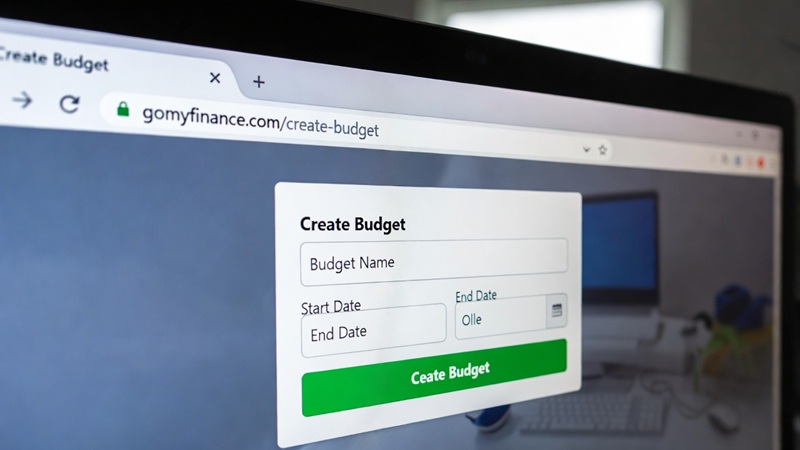
Define Your Income Sources
Begin with accurate income tracking—the foundation of any successful budget. Many budgets fail because they’re built on wishful thinking about income rather than reality.
For Stable Income: If you receive a consistent salary, calculate your monthly net income (after taxes, insurance, and retirement contributions).
For Variable Income: Look at your last three months of income. Use the lowest normal month as your baseline budget number. Treat higher-income months as opportunities for accelerated savings or debt payment, not increased spending.
Additional Income Streams: Include side gigs, freelance work, rental income, or investment dividends. However, only include amounts you consistently receive—don’t budget based on hoped-for income.
Map Your Fixed Expenses
Fixed expenses remain relatively constant month to month. These receive priority in your budget because they’re non-negotiable.
Create a comprehensive list:
Housing
- Rent or mortgage payment
- Property taxes (if not included in mortgage)
- HOA fees
- Home insurance
Transportation
- Car payment
- Auto insurance
- Public transportation passes
Insurance
- Health insurance premiums
- Life insurance
- Disability insurance
Debt Obligations
- Student loan minimum payments
- Credit card minimum payments
- Personal loan payments
Track Variable Expenses
Variable expenses fluctuate month to month but remain necessary. These categories require monitoring to prevent overspending.
Review your last three months of transactions in these categories:
- Groceries and household supplies
- Gas and vehicle maintenance
- Utilities (electricity, water, internet)
- Phone service
- Prescriptions and healthcare costs
- Pet care
For each category, calculate the average monthly spending. This becomes your initial budget allocation.
Allocate Discretionary Spending
Discretionary categories fund your quality of life but require careful management to prevent budget collapse.
Common discretionary categories:
- Dining out and takeout
- Entertainment (movies, concerts, events)
- Hobbies and recreation
- Clothing and personal items
- Gifts and celebrations
- Travel and vacations
Critical Insight: Rather than eliminating discretionary spending entirely, GoMyFinance.com helps you set realistic limits. Overly restrictive budgets typically fail within weeks. Sustainable budgets acknowledge that life includes both necessities and pleasures.
Set Financial Goals
Goals transform budgets from restrictive rules into purposeful tools. GoMyFinance.com includes dedicated goal-setting features that track progress toward specific objectives.
Short-Term Goals (0-12 months)
- Build $1,000 emergency fund
- Pay off specific credit card
- Save for vacation or major purchase
- Reduce monthly expenses by 10%
Medium-Term Goals (1-5 years)
- Save 3-6 months emergency fund
- Save down payment for house
- Pay off student loans
- Increase retirement contributions to 15%
Long-Term Goals (5+ years)
- Achieve complete debt freedom
- Accumulate $500,000 retirement savings
- Build investment portfolio
- Financial independence
The platform allows you to assign specific dollar amounts and timelines to each goal, automatically calculating required monthly contributions.
Advanced Budgeting Strategies on GoMyFinance.com
Zero-Based Budgeting
This approach assigns every dollar a specific purpose, ensuring no money remains unallocated. By month’s end, Income minus All Allocations equals zero.
How it Works:
- Start with total monthly income
- Subtract all expenses and savings
- If money remains, assign it to additional savings or debt payment
- If you’re short, reduce discretionary categories or find additional income
Envelope Method (Digital Version)
The traditional envelope system involved cash in physical envelopes. GoMyFinance.com offers a digital equivalent through category limits and alerts.
Set spending limits for key categories. When you approach the limit, the platform sends notifications. Once you hit the limit, discipline requires stopping spending in that category for the month.
Paycheck Budgeting
Instead of monthly budgeting, some people prefer budgeting by paycheck—especially those paid bi-weekly.
Divide your monthly bills between paychecks:
- Paycheck 1: Rent, utilities, insurance
- Paycheck 2: Groceries, gas, entertainment
This method prevents the “bill cluster” problem where multiple large payments hit simultaneously.
Tracking Progress and Making Adjustments
Creating the budget is just the beginning. Success requires consistent monitoring and willingness to adjust.
Weekly Check-Ins
Dedicate 10-15 minutes weekly to review your GoMyFinance.com dashboard:
- Check spending against budget in each category
- Identify any concerning trends early
- Adjust upcoming spending if you’re over budget somewhere
- Celebrate categories where you’re under budget
Monthly Reviews
At month’s end, conduct a thorough analysis:
Compare planned versus actual spending in each category
- Where did you exceed the budget? Why?
- Where did you come in under budget?
- Were there unexpected expenses? How can you prepare for similar expenses?
Assess progress toward goals
- Did you meet your savings target?
- How much debt did you pay down?
- Are you on track for larger goals?
Make strategic adjustments
- Increase budgets for consistently over-spent categories
- Decrease budgets where spending is consistently low
- Reallocate funds to higher-priority areas
When to Revise Your Budget
Life changes, and your budget must adapt. Major revisions are warranted when:
- Income changes (raise, job loss, new job)
- Living situation changes (move, marriage, children)
- Debt is paid off (reallocate those payments)
- Unexpected regular expenses emerge
- Financial goals are achieved or change
Common Budgeting Mistakes and Solutions
Mistake 1: Unrealistic Category Limits
Problem: Setting grocery budget at $200 when you consistently spend $500 sets up immediate failure.
Solution: Base initial budgets on actual spending history. Reduce gradually—cutting one category at a time rather than slashing all categories simultaneously.
Mistake 2: Forgetting Irregular Expenses
Problem: Budgeting for monthly bills but forgetting annual or quarterly expenses like car registration, Amazon Prime membership, or holiday gifts.
Solution: Create a “periodic expenses” category. Calculate total annual irregular expenses, divide by 12, and set aside that amount monthly.
Mistake 3: No Emergency Buffer
Problem: Budgeting every dollar with zero flexibility means any unexpected expense derails the entire budget.
Solution: Include a “miscellaneous” or “buffer” category of 5-10% of monthly income. This catches truly unexpected expenses without budget disruption.
Mistake 4: Giving Up After First Failure
Problem: Exceeding the budget one month leads to abandoning the entire system.
Solution: Expect imperfection. The first 2-3 months reveal which categories need adjustment. Treat “failures” as data collection rather than personal shortcomings.
Tips for Long-Term Budget Success
Automate Everything Possible
Use GoMyFinance.com’s automation features to reduce decision fatigue:
- Set up automatic transfers to savings accounts on payday
- Automate bill payments to avoid late fees
- Enable spending alerts to catch problems early
Include Your Family
If you share finances with a partner or manage household finances, involve everyone in the budgeting process:
- Schedule monthly “money dates” to review finances together
- Give each family member input on spending priorities
- Use GoMyFinance.com’s sharing features for transparency
- Assign age-appropriate financial responsibilities to children
Build in Rewards
Sustainable budgets acknowledge human psychology. Include rewards for meeting budget goals:
- After three consecutive months on budget, allocate extra “wants” spending
- When you pay off debt, redirect half the payment to fun activities
- Celebrate major milestones (emergency fund fully funded, debt-free)
Focus on Progress, Not Perfection
The goal isn’t a perfect budget—it’s continuous improvement in financial management. Track these progress indicators:
- Percentage of months where spending stays within budget
- Growth in emergency fund balance
- Reduction in overall debt
- Increase in net worth
- Decrease in financial stress
GoMyFinance.com Premium Features
While the core budgeting tools are free, GoMyFinance.com offers premium options for users wanting advanced features:
| Feature | Free Version | Premium Version |
|---|---|---|
| Account syncing | Up to 3 accounts | Unlimited accounts |
| Historical data | 6 months | Unlimited history |
| Custom categories | 20 categories | Unlimited categories |
| Financial reports | Basic | Advanced with trends |
| Customer support | Email only | Priority support |
| Goal tracking | 3 goals | Unlimited goals |
| Investment tracking | Not included | Full portfolio integration |
Premium subscriptions typically cost $8-12 monthly, with discounts for annual payment.
Comparing GoMyFinance.com to Alternative Platforms
Understanding how GoMyFinance.com compares to other popular budgeting tools helps ensure you choose the right platform:
Mint: Free comprehensive platform with strong account integration. More complex interface may overwhelm beginners. Shows ads.
YNAB (You Need A Budget): Premium tool ($99/year) with excellent education resources. Steeper learning curve but powerful for committed users.
EveryDollar: Created by Dave Ramsey’s team. Strong zero-based budgeting focus. Premium version required for bank syncing.
Personal Capital: Best for investment tracking and high net worth individuals. Less focused on day-to-day budgeting.
GoMyFinance.com: Balanced approach with intuitive interface, strong education, and accessible pricing. Ideal for beginners to intermediate users.
Taking Action: Your First 30 Days
To maximize success with GoMyFinance.com, follow this 30-day plan:
Week 1: Setup and Learning
- Create account and link financial institutions
- Review automatic categorization and adjust as needed
- Set up initial budget based on past spending
- Establish one primary financial goal
Week 2: Active Monitoring
- Check dashboard daily for 10 minutes
- Practice categorizing transactions correctly
- Identify spending patterns and surprises
- Adjust budget limits if initial numbers were off
Week 3: Optimization
- Compare Week 2 spending to Week 1
- Identify one category to reduce spending
- Set up automatic savings transfer
- Explore GoMyFinance.com educational resources
Week 4: Review and Refinement
- Conduct first monthly budget review
- Celebrate successes, analyze challenges
- Adjust budget for upcoming month
- Set goals for Month 2
Conclusion: Your Path to Financial Control
Creating a budget with GoMyFinance.com represents more than tracking expenses—it’s about taking control of your financial future. The platform removes traditional barriers to budgeting by automating data collection, providing clear visualizations, and offering continuous support.
Remember that budgeting is a skill developed over time, not an innate talent. Your first budget won’t be perfect. Your second will be better. By your sixth month, you’ll have a refined system that fits your life and supports your goals.
The 74% of Americans who budget regularly didn’t achieve overnight success. They started with imperfect first steps, learned from challenges, and refined their approach. With GoMyFinance.com’s tools and the strategies outlined in this guide, you’re equipped to join them—and perhaps exceed them.
Your financial transformation begins with a single decision: to start. Create your GoMyFinance.com account today, set up your first budget, and take that crucial first step toward lasting financial wellness.
