

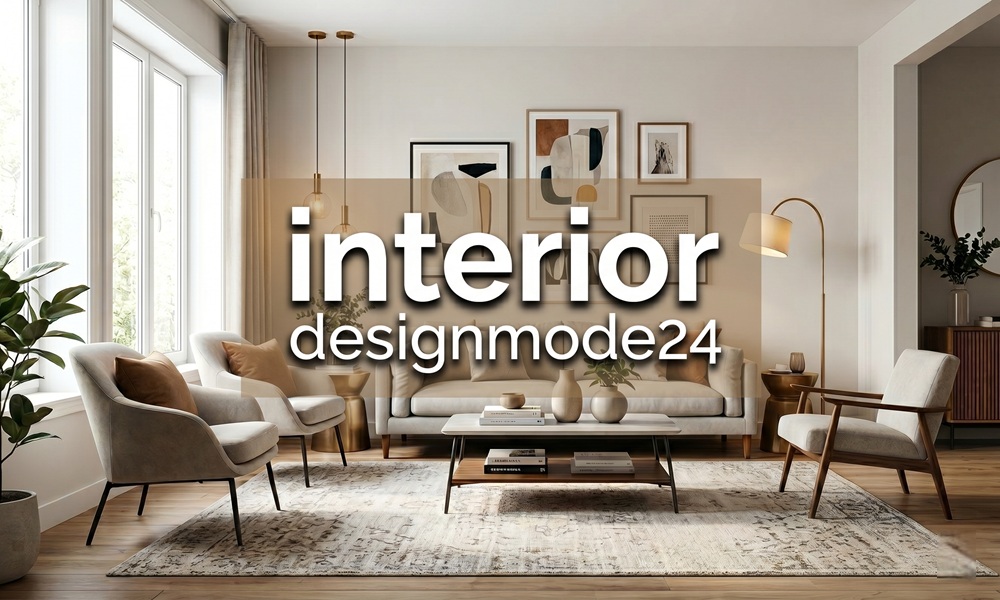
What Is “Interior DesignMode24”?
Interior design mode isn’t just a hashtag or a passing aesthetic — it’s the deliberate mindset and methodology you adopt when curating your living space. Think of it as activating a framework: one part trend awareness, one part personal expression, and one part functional intelligence.
In 2025 and heading into 2026, “design mode” has evolved dramatically. The post-pandemic era fundamentally reshaped how people relate to their homes. Spaces are now expected to be sanctuaries, workplaces, creative studios, and social hubs — all at once. This has triggered a shift from décor-first thinking to experience-first design, where every material, color, and layout choice serves a deeper purpose.
Whether you’re redesigning a single room or overhauling an entire home, understanding interior design mode means knowing what is trending, why it’s resonating, and how to apply it meaningfully.
The 7 Dominant Interior Design Modes in 2026
1. Biophilic Design Mode — Nature as the Foundation
Biophilic design has moved from niche aesthetic to design standard. At its core, it’s about creating indoor environments that feel like natural sanctuaries by incorporating live plants, daylight optimization, natural materials, and organic forms.
Research consistently supports its benefits: incorporating natural elements can boost productivity by up to 15% and meaningfully reduce cortisol (stress) levels. Biophilic spaces aren’t just beautiful — they’re healthier.
Key elements of biophilic interiors in 2026:
- Living walls and vertical gardens — air-filtering, visually dramatic focal points
- Daylight harvesting — strategically positioned glazing and light wells
- Natural material layering — solid wood, cork, bamboo, linen, rattan
- Water features — subtle fountains or reflecting pools for acoustic calm
- Fractal geometry — nature-inspired patterns in wallpaper, cabinetry, and lighting
- Indoor plant therapy — from potted greenery to statement fig trees
Designer Insight: Biophilic design doesn’t require a full renovation. Adding a statement plant, switching to natural fiber textiles, and opening up window treatments for natural light are low-cost entry points that have measurable impact on mood and well-being.
2. Sustainable & Conscious Design Mode
Sustainability has graduated from trend to expectation. In 2026, eco-conscious design is no longer a niche preference — it is mainstream. The global market for eco-friendly interior design is projected to grow at a CAGR of 4.1% from 2024 to 2030, driven by consumer demand for responsible, wellness-oriented spaces.
The new vocabulary of sustainable design includes:
| Material/Practice | Why It Matters | Design Application |
|---|---|---|
| Reclaimed wood | Reduces deforestation, adds character | Flooring, shelving, statement furniture |
| Bamboo | Fast-renewing, durable, aesthetic | Cabinetry, textiles, flooring |
| Mushroom leather (mycelium) | Biodegradable, innovative texture | Upholstery, wall panels |
| Algae fabric | Bio-based, reduces synthetic use | Cushions, soft furnishings |
| Recycled glass | Reduces landfill, unique finish | Countertops, backsplashes, tiles |
| Low-VOC / No-VOC paints | Improves indoor air quality | Walls, trim, furniture finishes |
| Upcycled vintage pieces | Zero new resource use | Seating, storage, accent pieces |
Fast furniture is rapidly losing appeal. Consumers — especially younger generations — are seeking durable, one-of-a-kind pieces with provenance. According to Nielsen research, approximately 61% of consumers are now willing to invest more in sustainable products, making this a business and lifestyle imperative in equal measure.
3. Smart Home Integration Mode — Tech That Disappears
Technology in 2026 interiors is defined by one principle: invisible intelligence. Smart home systems are no longer about showing off gadgets — they’re about seamless, intuitive living where tech enhances comfort without dominating the aesthetic.
The most impactful smart home integrations currently shaping interior design:
- AI-driven personalization — systems that analyze routines and adapt lighting, temperature, and layout recommendations
- Circadian lighting — automated systems mimicking natural daylight cycles to improve sleep quality and productivity
- Wireless charging furniture — desks, side tables, and counters with built-in charging, eliminating cable clutter
- Smart thermostats and LED arrays — significantly lowering energy usage and utility bills
- Solar-powered window treatments — adjusting automatically based on light intensity
- Voice-activated systems — integrated with Alexa, Google Home, and Apple HomeKit for hands-free control
The design challenge with tech integration is concealment: TVs that function as art pieces when idle, speakers embedded in walls, and charging surfaces that look like conventional furniture. The goal is spaces where technology serves life rather than demanding attention.
4. Moody & Earth Tone Color Mode
The reign of all-white, cool-grey interiors is definitively over. As of 2025–2026, color in design is becoming quieter, richer, and more personal — less about making a statement for social media and more about curating a feeling.
The dominant color story for 2026:
| Color Family | Key Shades | Best Room Application |
|---|---|---|
| Warm Earth Tones | Terracotta, clay, rust, sandstone | Living rooms, kitchens, bedrooms |
| Moody Greens | Forest, moss, sage, smoky olive, celadon | Studies, bedrooms, bathrooms |
| Deep Neutrals | Warm beige, taupe, mocha, umber | Open-plan living, hallways |
| Jewel & Drama | Oxblood, aubergine, deep teal, navy | Powder rooms, dining rooms |
| Dusty Pinks & Ochres | Blush, warm gold, amber | Bedrooms, accent walls |
| Pantone 2026 COTY | Cloud Dancer (soft white-air tone) | Any room as a light base |
Key 2026 paint color highlights from major brands include Sherwin-Williams’ Universal Khaki (a sunwashed warm neutral replacing cool grey), Benjamin Moore’s Silhouette (espresso-charcoal for moody sophistication), and Pantone’s Cloud Dancer (a light, serene all-rounder named Color of the Year 2026).
Pro Tip: Moody, dark colors work best in rooms where you linger at night — dining rooms, bedrooms, powder rooms. Always pair them with three light sources (ambient, task, accent) at 2700–3000K warmth, and balance with warm metals and natural wood grain.
5. Multifunctional & Modular Space Mode
Post-pandemic, the home has become everything: office, gym, school, entertainment venue, and sanctuary. Urbanization and remote work have driven fierce demand for adaptive layouts and furniture that transforms with daily needs.
What multifunctional design looks like in practice:
- Modular sectionals that reconfigure for entertaining or solo use
- Murphy beds with integrated desk systems for guest-office hybrid rooms
- Zoom nooks and built-in study alcoves within larger open-plan spaces
- Garage-to-gym conversions and guest-room-to-hobby-space redesigns
- Hidden storage within stairs, under raised platforms, and behind paneling
- Kitchen islands with seating, storage, prep space, and charging ports combined
The goal is maximum function per square foot without sacrificing aesthetic. Modular furniture is also inherently sustainable — pieces that adapt to changing needs don’t need replacing.
6. Grandmillennial & Heritage Design Mode
One of the most discussed design movements of 2025–2026 is the maturation of the Grandmillennial aesthetic — a deliberate, curated rejection of cold minimalism in favour of warmth, history, and personality.
This mode draws on British-inspired interiors, checkerboard floors, architectural paneling, heritage-style moldings, and the deliberate mixing of eras. It’s not about recreating your grandmother’s house — it’s about layering vintage pieces with modern sensibilities to create spaces that feel collected and lived-in rather than staged.
How to execute the Grandmillennial / Heritage mode:
- Mix a mid-century chair with a traditional rug and a contemporary lamp
- Use architectural paneling or picture-frame molding for instant heritage depth
- Incorporate chinoiserie, ginger jars, or embroidered textiles as accent decor
- Invest in vintage and antique pieces — they bring craftsmanship and story
- Pattern drenching (covering an entire room in the same print) is evolving into pattern mixing — curated combinations that feel personal, not matchy
7. Wellness-First Interior Mode
Interior design is increasingly viewed through a wellness lens. Homeowners are asking not just “Does this look beautiful?” but “Does this space make me feel better?”
This wellness-first approach encompasses multiple dimensions:
Mental Wellness:
- Acoustic design using sound-absorbing panels, white-noise elements, and material choices that reduce echo
- Clutter-free, intentional layouts that support mental clarity (often called “live minimalism”)
- Mood-driven color palettes calibrated to the room’s emotional function
Physical Wellness:
- Aged-in-place features: heated towel bars, lighted mirrors, walk-in showers with safety design
- Ergonomic furniture for home offices and hybrid workspaces
- Air quality improvements via low-VOC materials, biophilic elements, and smart ventilation
Sensory Wellness:
- Tactile textures: limewash plaster, Venetian plaster, bespoke concrete, woven wallpapers
- Natural ventilation and cross-airflow layouts reducing HVAC reliance
- Circadian lighting systems that shift colour temperature throughout the day
What’s OUT in 2025–2026 — Trends Losing Momentum
Understanding what’s trending also means knowing what’s fading. The following design choices are losing relevance:
| Going Out | Replacing It With |
|---|---|
| All-white, cool-grey palettes | Warm neutrals, earth tones, moody colour |
| Fast furniture (mass-produced, disposable) | Heirloom, vintage, sustainably made pieces |
| Matching bedroom / living room sets | Eclectic, era-mixed, curated collections |
| Barn doors and shiplap | Architectural paneling, picture-frame molding |
| Literal word signs (“EAT”, “GATHER”) | Original art, vintage prints, meaningful objects |
| Overdone all-black accents | Aged brass, bronze, softer iron tones |
| Cold minimalism | Warm, layered, textured maximalism |
How to Activate Your Interior DesignMode24: A Room-by-Room Guide
Living Room
Lead with a signature piece — a vintage sofa, an artisan rug, or a bold gallery wall. Layer warm earth tones across textiles and wall finishes. Introduce at least one biophilic element (a large potted plant or natural wood coffee table). Ditch matching sets in favour of mix-and-match eras tied by a consistent colour thread.
Bedroom
Lean into wellness. Invest in quality bedding in organic cotton or linen. Use circadian smart lighting. Choose a moody, cocoon-like wall colour (deep sage, dusty rose, or warm taupe). Minimise digital distraction — keep tech invisible and charge outside the sleep zone.
Kitchen
Earth tones dominate: warm whites, clay, olive, and wood-grain cabinetry. Stone slab backsplashes in soft browns or creamy whites. Smart appliances for energy efficiency. Built-in composting and recycling stations. White oak and walnut surfaces are the material choice of the moment.
Home Office
Multifunctional and smart. Wireless charging surfaces, ergonomic seating, modular shelving, and acoustic panels for better concentration. Moody, focused colour on one wall — forest green, deep navy — to anchor the space and signal work mode.
Bathroom
The new “spa mode”: limewash or Venetian plaster walls, natural stone, heated towel bars, lighted mirrors, and freestanding tubs. Heritage-inspired tile — checkerboard, zellige, hand-painted ceramic — is back in a big way.
Key Takeaways at a Glance
| Design Mode | Core Principle | 2026 Priority |
|---|---|---|
| Biophilic | Nature indoors | Living walls, natural materials, daylight |
| Sustainable | Conscious choices | Reclaimed, upcycled, low-VOC |
| Smart Tech | Invisible intelligence | Circadian lighting, AI personalization |
| Moody Colour | Feeling over statement | Earth tones, jewel shades, warm neutrals |
| Multifunctional | Adaptive living | Modular furniture, hidden storage |
| Grandmillennial | Curated heritage | Vintage layering, pattern mixing |
| Wellness-First | Health by design | Acoustics, air quality, ergonomics |
Final Thoughts
Interior designmode24 in 2026 is ultimately about intentionality. The spaces resonating most deeply are those that reflect the people living in them — not the current viral mood board. Whether you invest in a single heirloom piece, repaint a room in a grounding earth tone, or add a living wall to your hallway, every conscious choice moves you closer to a home that genuinely supports your life.
The best test? You exhale when you walk in. That is when you know your interior design mode is working.
