


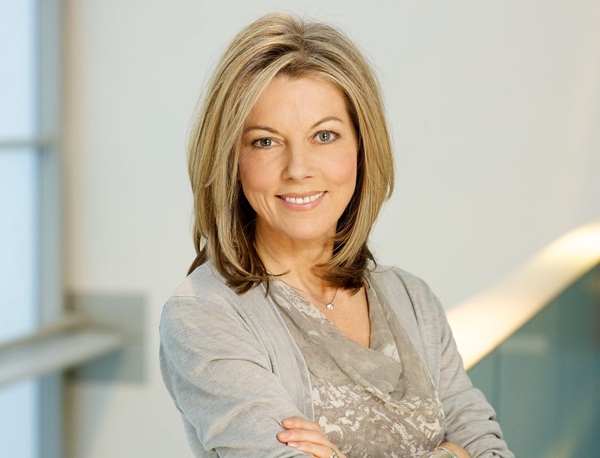
For over two decades, Mary Nightingale has been the reassuring face of ITV Evening News, delivering critical updates with unwavering professionalism. However, behind the polished broadcasts and composed demeanor lies a deeply personal health struggle that once threatened not just her career, but her identity as a broadcaster. The story of Mary Nightingale’s illness is one of resilience, vulnerability, and ultimately, triumph over adversity.
Who is Mary Nightingale?
Before delving into her health challenges, it’s essential to understand the remarkable woman at the center of this story. Born on May 26, 1963, in Scarborough, North Yorkshire, Mary Nightingale has become one of Britain’s most respected journalists. After earning her BA in English from Bedford College, University of London, she began her media career in the early 1990s, working her way through various broadcasting roles before joining ITV News in 2001.
Career Highlights:
- Main anchor of ITV Evening News since 2001
- Sole presenter of the flagship bulletin since 2017
- Winner of TRIC Awards for Newscaster of the Year (2002, 2004)
- Over three decades of broadcasting experience
- Known for covering major national and international events
Mary married Paul Fenwick in 2000, and together they have two children. Despite her public profile, she has consistently maintained a clear boundary between her professional responsibilities and private life—making her eventual openness about her health struggles all the more significant.
The Early Warning Signs: When Success Came at a Cost
The first indications of trouble emerged subtly in the early 2000s. For someone whose voice is their most crucial professional tool, the symptoms were both alarming and career-threatening. Mary began experiencing:
- Recurring hoarseness and voice fatigue
- Intermittent voice cracking during live broadcasts
- Difficulty projecting her voice
- Complete voice loss on certain occasions
- Increased throat clearing during presentations
For a news presenter who appeared on television daily, these weren’t mere inconveniences—they were professional emergencies. Each broadcast became a test of endurance, with Mary unsure whether her voice would hold through the bulletin. The uncertainty was agonizing, particularly for someone known for reliability and consistency.
The Cancer Scare That Shook Her World
As symptoms persisted and worsened, Mary faced her darkest fear: the possibility of throat cancer. The speculation wasn’t unfounded. Persistent voice changes can indicate serious underlying conditions, and given the nature of her symptoms, comprehensive medical evaluation became urgent.
Mary underwent extensive medical testing, including:
- Throat examinations and laryngoscopy
- Comprehensive scans to detect any growths or abnormalities
- Voice specialist consultations
- Cancer screening tests
The waiting period was excruciating. For over a year, she battled this condition largely in private, sharing her struggles only with her husband Paul and close family members. The British cultural preference for privacy influenced her decision to maintain discretion, but it also meant bearing the burden of fear and uncertainty in isolation.
The relief came when all tests returned negative—Mary Nightingale did not have cancer. However, this raised a new question: if not cancer, what was causing her debilitating symptoms?
The Diagnosis: Stress-Related Vocal Strain
After ruling out malignant conditions, doctors concluded that Mary’s vocal difficulties stemmed from severe stress and chronic voice overuse. The medical diagnosis was functional dysphonia—a condition where psychological factors trigger genuine physical voice impairment without structural damage to the vocal cords.
Understanding Functional Dysphonia
| Aspect | Details |
|---|---|
| Primary Cause | Psychological stress and anxiety |
| Physical Manifestation | Voice loss, hoarseness, strain |
| Contributing Factors | Overuse, improper breathing, tension |
| Treatment Approach | Multi-faceted: vocal therapy, stress management, lifestyle changes |
| Prognosis | Excellent with proper intervention |
The diagnosis highlighted a crucial reality about broadcasting: the intense pressure of live television news takes a severe toll on both mental and physical health. Mary’s experience included:
- Constant vocal performance under high-stakes conditions
- Irregular and demanding hours disrupting natural rest patterns
- Emotional weight of delivering tragic news daily
- Public scrutiny with zero tolerance for imperfection
- Breath control issues due to stress and improper technique
The Road to Recovery: A Multi-Faceted Approach
Mary’s recovery wasn’t instantaneous. It required dedication, professional guidance, and significant lifestyle adjustments. Her approach became a comprehensive rehabilitation program that other voice professionals would later emulate.
Vocal Therapy and Rehabilitation
Working with specialized vocal coaches—similar to those used by professional singers and actors—Mary learned:
- Proper breath support techniques to reduce vocal cord strain
- Posture correction to optimize airflow and projection
- Voice modulation exercises to strengthen without straining
- Warm-up routines before broadcasts
- Cool-down techniques after extended speaking
Lifestyle Modifications
Beyond technical training, Mary implemented crucial daily habits:
- Hydration protocols: Maintaining optimal vocal cord moisture
- Caffeine reduction: Limiting dehydrating substances
- Scheduled vocal rest: Periods of complete voice silence
- Sleep optimization: Ensuring adequate recovery time
- Stress management: Incorporating mindfulness and relaxation techniques
Workplace Accommodations
ITV demonstrated exemplary support throughout Mary’s recovery:
- Schedule adjustments to allow adequate rest periods
- Access to the best medical specialists
- Flexibility during difficult symptom periods
- Installation of proper amplification equipment where needed
- Creating an environment that prioritized her wellbeing alongside professional demands
The broadcaster’s commitment to her recovery sent a powerful message about the importance of supporting employees through health challenges, particularly in high-pressure industries.
Public Response and the Power of Vulnerability
When Mary’s struggles became public knowledge around 2017, the response was overwhelmingly supportive. Viewers who had noticed subtle changes in her voice during broadcasts expressed both concern and admiration. Social media filled with messages of encouragement, demonstrating the deep connection she had built with audiences over the years.
Her decision to eventually speak openly about her experience—particularly in interviews with publications like Good Housekeeping and Radio Times—transformed her from simply a news presenter into a relatable human being facing universal struggles with stress and health.
What Mary’s Story Taught the Broadcasting Industry
| Lesson | Impact |
|---|---|
| Vocal health matters | Increased awareness of occupational health risks |
| Stress is physical | Recognition that mental health affects physical performance |
| Support systems work | Demonstrated value of employer-employee partnership in health crises |
| Privacy vs. openness | Balanced approach to personal disclosure |
| Professional longevity | Proved that addressing health issues extends careers rather than ending them |
The 2024 AI Deepfake Incident: A New Kind of Violation
Mary’s relationship with her voice took an unexpected turn in 2024 when a deepfake video circulated online, falsely using her likeness and voice to endorse products she had never supported. After years of protecting and rehabilitating her voice, this unauthorized use struck a deeply personal chord.
Mary described feeling “livid” about the incident, which highlighted emerging threats in the digital age. Having fought so hard to recover her authentic voice, seeing it artificially replicated and misused represented a violation that went beyond simple copyright infringement—it was an assault on her professional identity.
She subsequently became an advocate for stronger protections and greater awareness around AI-generated content, particularly concerning voice and image rights of public figures.
Current Status: Thriving at 62
As of 2025, Mary Nightingale continues as a central figure at ITV News, presenting the flagship evening bulletins with the same professionalism that has defined her career. At 62 years old, she demonstrates that age, experience, and maturity are valuable assets in journalism.
Current Health Status:
- No credible reports of serious illness since recovery
- Vocal difficulties have not returned significantly
- Continues full-time broadcasting schedule
- Maintains healthy work-life balance
Her continued presence on screen is testament to the effectiveness of her recovery program and her personal resilience.
The Broader Implications: Lessons for All Professionals
While Mary Nightingale’s illness occurred in the specific context of broadcast journalism, the lessons extend far beyond television studios.
Who Else is at Risk for Vocal Strain?
- Teachers who speak for hours daily
- Call center workers in constant verbal communication
- Lawyers presenting arguments and conducting depositions
- Performers including singers and actors
- Healthcare providers explaining procedures and diagnoses
- Sales professionals in frequent client interactions
Warning Signs to Watch For
If you rely on your voice professionally, be alert to:
- Persistent hoarseness lasting more than two weeks
- Voice fatigue by end of day
- Needing to clear throat constantly
- Pain or discomfort when speaking
- Changes in pitch or voice quality
- Difficulty being heard in normal environments
Preventive Measures
Based on Mary’s experience, professionals can protect their vocal health through:
- Regular vocal rest: Schedule quiet periods throughout the day
- Proper hydration: Drink water consistently (not just when thirsty)
- Breathing techniques: Learn diaphragmatic breathing
- Stress management: Address psychological factors affecting physical health
- Professional consultation: Don’t delay seeking help when problems arise
- Workplace advocacy: Request accommodations like amplification or breaks
The Emotional Toll of Living with Uncertainty
One aspect often overlooked in discussions of Mary Nightingale’s illness is the psychological impact. For over a year, she lived with the fear that cancer might end not just her career, but her life. Even after the cancer diagnosis was ruled out, she faced the reality that stress—something seemingly under her control—was causing physical damage.
The Mental Health Component
During the COVID-19 pandemic, Mary revealed another dimension of her struggle. While reading the daily death tolls, she admitted her voice sometimes “failed” her—”almost like it didn’t want to say the words.” This poignant admission revealed how deeply she felt the weight of delivering tragic news to millions.
“I do feel like crying sometimes,” she told Radio Times, “but I don’t think it’s helpful.” This statement encapsulates the emotional burden carried by news presenters who must maintain composure while reporting heartbreaking stories day after day.
Mary Nightingale’s Legacy Beyond Broadcasting
Mary’s journey through illness and recovery has created a legacy extending far beyond her journalistic achievements:
Professional Impact
- Industry awareness: Broadcasting organizations now better recognize occupational health risks
- Support protocols: Improved systems for supporting employees facing health challenges
- Training programs: Enhanced vocal health education for broadcasters
Personal Inspiration
Her story resonates with:
- Professionals facing burnout: Demonstrating that seeking help is strength, not weakness
- Those balancing privacy and openness: Showing how selective sharing can help others
- Anyone managing chronic stress: Proving that recovery is possible with proper intervention
Advocacy Work
Following her recovery and the 2024 deepfake incident, Mary has become a voice for:
- Better protections for digital identity and voice rights
- Increased awareness of AI misuse
- Professional health standards in media industries
Debunking Common Myths and Misconceptions
Given the speculation surrounding “Mary Nightingale illness,” it’s important to clarify several misconceptions:
Myth 1: Mary Nightingale has cancer Reality: All cancer tests came back negative. Her condition was stress-related vocal strain, not malignant disease.
Myth 2: She’s retired or stepping back due to illness Reality: As of 2025, Mary continues as a primary presenter at ITV News with a full schedule.
Myth 3: Her voice problems were career-ending Reality: With proper treatment and lifestyle changes, she made a full recovery and has been broadcasting successfully for years.
Myth 4: Frequent absences indicate ongoing health issues Reality: Like any professional, occasional absences occur for scheduled time off, family commitments, or routine reasons unrelated to serious illness.
The Mary Nightingale Approach: A Recovery Framework
For those facing similar challenges, Mary’s journey offers a proven framework:
Phase 1: Recognition
- Acknowledge symptoms early
- Don’t dismiss persistent problems as “just stress”
- Trust your instincts that something is wrong
Phase 2: Professional Evaluation
- Seek comprehensive medical testing
- Don’t settle for vague diagnoses
- Get second opinions when needed
Phase 3: Multifaceted Treatment
- Address both physical and psychological components
- Work with specialists (vocal coaches, therapists, medical professionals)
- Commit to lifestyle changes
Phase 4: Workplace Communication
- Share necessary information with employers
- Advocate for needed accommodations
- Accept support when offered
Phase 5: Ongoing Maintenance
- Continue preventive practices even after recovery
- Remain vigilant for symptom recurrence
- Maintain healthy work-life boundaries
Conclusion: The Power of Resilience and Recovery
Mary Nightingale’s illness journey is ultimately a story of triumph. From the terrifying possibility of throat cancer to the challenge of stress-related voice loss, she faced each obstacle with determination and grace. Her decision to eventually share her experience publicly transformed a private struggle into a source of education and inspiration for countless others.
At 62, Mary continues to demonstrate that health challenges don’t define us—how we respond to them does. Her voice, once threatened by stress and overuse, remains one of the most recognizable and trusted in British broadcasting.
The lessons from her experience extend well beyond the television studio: prioritize your health, seek help when needed, address both physical and psychological components of illness, and recognize that vulnerability and strength are not opposites—they’re often intertwined.
For the millions who tune into ITV Evening News each night, Mary Nightingale represents more than journalism excellence. She embodies resilience, professionalism, and the very human journey of facing our fears and emerging stronger on the other side.
