

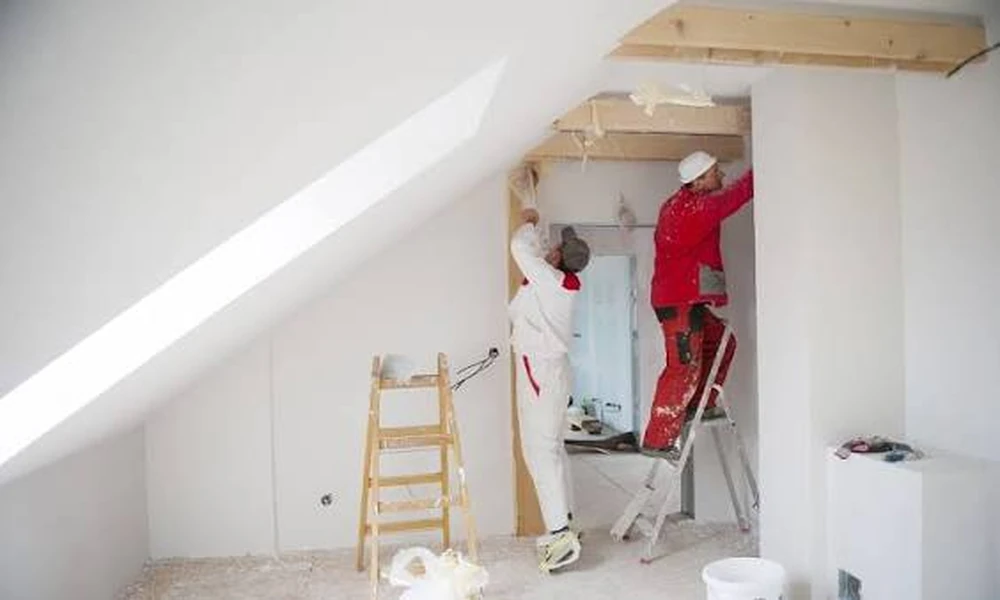
Professional painting involves much more than applying paint to walls and ceilings. Before a decorator opens a tin of paint, they need to prepare the room and protect everything that should stay clean. Furniture, flooring, skirting boards, doors, windows and other surfaces all need suitable protection during the work.
Paint splashes can happen quickly. A roller can flick small droplets across a room, while a loaded brush can leave marks on nearby surfaces. Professional painters reduce these risks by preparing the room properly, using suitable coverings and working in a controlled way.
The protection process starts before any paint reaches the wall.
Furniture Gets Moved Away From the Work Area
The first step usually involves moving furniture away from the walls. Sofas, tables, chairs, wardrobes and cabinets can collect dust and paint if they sit too close to the work area.
Where space allows, decorators move furniture into another room. If that is not possible, they move it to the centre of the room and leave enough space around the walls for safe access.
Large or heavy items may need to stay where they are. In these situations, painters cover them carefully rather than moving them unnecessarily. This approach also reduces the chance of damaging furniture, flooring or walls while moving heavy objects.
Furniture Gets Covered Properly
Simply throwing an old sheet over a sofa does not provide enough protection for professional decorating work. Dust and fine paint particles can find their way through loose coverings.
Decorators use clean protective dust sheets, plastic sheeting or specialist furniture covers, depending on the job. They make sure the covering reaches the floor and stays in place throughout the work.
For valuable or delicate furniture, additional protection may prove sensible. Glass surfaces, polished finishes and delicate fabrics require particular care because even a small amount of paint or dust can cause visible damage.
The covering should also remain secure while the decorator moves around the room. A loose sheet can become a trip hazard and may expose the furniture underneath.
Floors Need Protection From Paint and Damage
Flooring requires careful attention because decorators regularly work close to the skirting boards and lower wall sections.
The correct protection depends on the type of flooring. Carpet, hardwood, laminate, vinyl and tiled floors all need slightly different treatment.
For carpeted rooms, decorators may use heavy-duty dust sheets designed to stay in position. Some areas may also require additional temporary protection near doorways or particularly exposed sections.
Hard floors can benefit from durable floor protection that resists paint spills and movement from ladders. Protective materials should cover the working area without creating unstable surfaces beneath ladders or other equipment.
Good decorators also check that floor coverings do not move as they work. A sheet that slides underfoot can create a safety problem, and it does leave parts of the floor exposed.
Edges and Skirting Boards Need Care
The area where the wall meets the floor often presents one of the biggest challenges during painting. A decorator needs to achieve a clean line without getting paint onto the skirting board or flooring.
Painters may use masking tape where appropriate, but professional decorators do not rely on tape alone. Good brush control and careful cutting-in remain important.
Masking tape also needs correct application. The surface must be reasonably clean and dry, and the tape should sit firmly along the edge. If paint gets underneath the tape, the finished line can look untidy.
Experienced painters also know when not to use tape. On some surfaces, careful brushwork produces a cleaner result than excessive masking.
Doors and Frames Are Protected
Doors, door frames and architraves often sit close to the areas being painted. If the walls receive a new colour, decorators need to prevent unwanted marks on these surfaces.
Where necessary, painters cover doors and protect handles, locks, hinges and other fittings. They also take care around door edges because paint build-up can affect how a door closes.
If the decorator is painting the doors as part of the same project, the process changes. The painter can prepare and coat the door properly rather than simply protecting it from wall paint.
Radiators, Sockets and Fixtures Need Attention
Rooms contain many fixed objects that cannot simply be moved away. Radiators, electrical sockets, switches, light fittings, shelves and wall-mounted fixtures all need consideration.
Decorators cover or mask suitable areas before painting. They also avoid allowing paint to build up around switches, sockets and other fittings.
Where fittings can safely come off, removing them may provide a cleaner finish. However, electrical components should only be disconnected or removed by someone suitably qualified.
Windows Need Protection From Paint
Windows often sit directly beside painted walls. Frames, sills and glass can quickly pick up splashes if decorators do not protect them.
Painters may use masking materials around the frame and take care when working near the glass. They also control the amount of paint on the brush or roller when approaching the window.
If paint does reach the glass, dealing with it promptly makes cleaning easier. The best approach, however, remains preventing the problem in the first place.
Preparation Also Protects the Property
Furniture and flooring protection does more than prevent paint marks. It helps decorators work efficiently without constantly worrying about accidental damage.
A well-prepared room gives the painter a clear working area. It also reduces interruptions. The decorator can concentrate on preparing the walls, applying even coats and achieving clean edges.
This becomes particularly important when decorating occupied homes in Surrey and around London, where furniture often cannot be removed completely.
Professional Decorators Clean Up Carefully
Protection continues until the painting work finishes. Once the final coat has dried sufficiently, decorators remove coverings carefully so dust and paint residue do not spread around the room.
They collect used masking materials, fold dust sheets and inspect the working area. They also check floors, furniture and nearby surfaces for accidental splashes or marks.
A professional finish should include more than attractive walls. The room should remain clean, tidy and properly cared for throughout the decorating process.
Why Good Protection Matters
Painting can transform a room, but poor preparation can leave an unwanted trail of paint, dust and damage behind it. Professional painters avoid this by treating the room as carefully as the surfaces they need to decorate.
They move furniture where possible, cover everything that remains, protect flooring, secure dust sheets and take extra care around doors, windows, skirting boards and fixtures.
Proper protection is part of professional painting, not an optional extra. It allows decorators to work safely and accurately while keeping furniture and flooring in good condition. When the coverings come away at the end, the result should be a freshly decorated room rather than a room that also needs a long clean-up.
